Roses for September: What I'm reading, watching, hearing, and loving this month
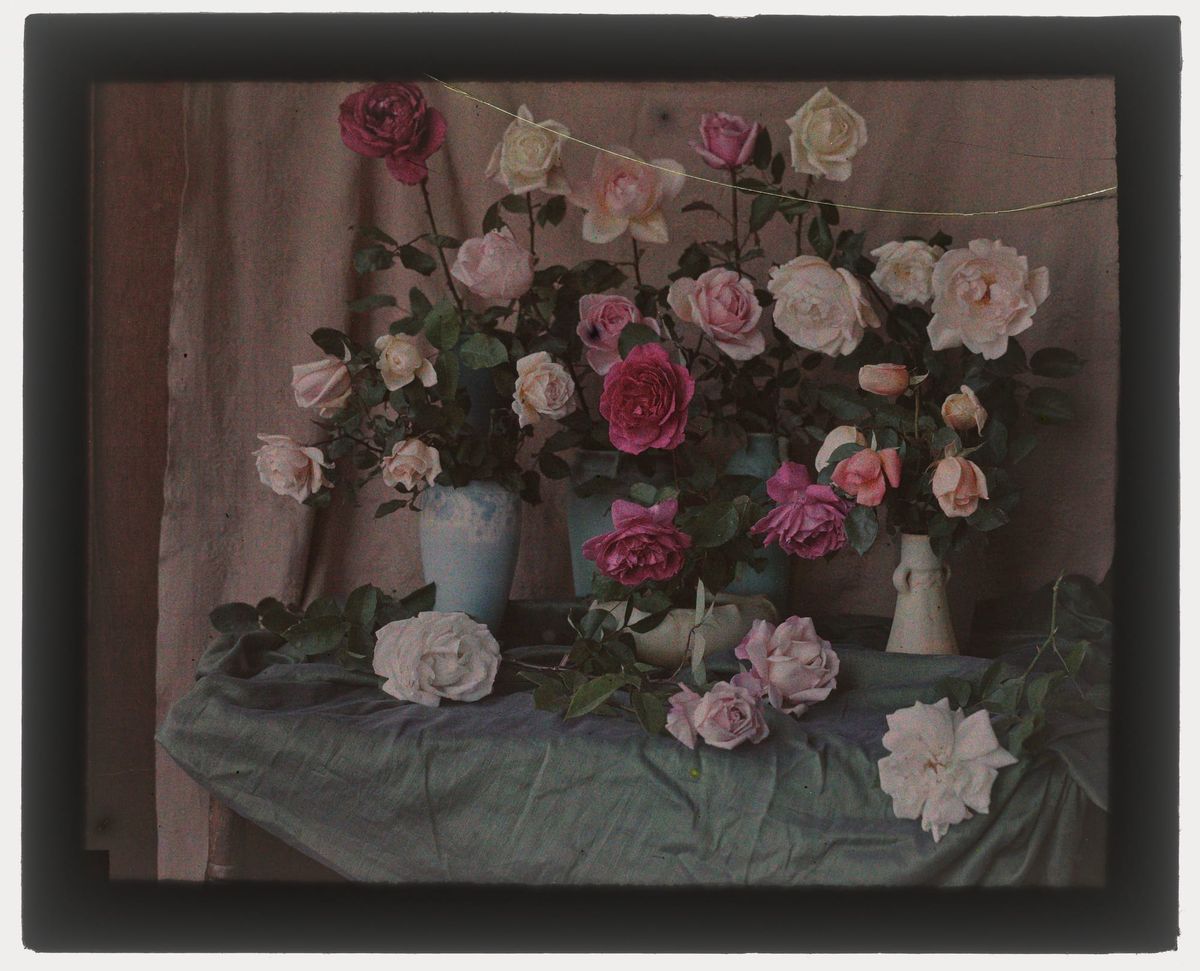
We've got to make our bread to survive, but we can't forget to stop and gather our flowers whenever possible. For September, here are some of mine.
When I started this blog earlier this year, I had the theme conceptualized, but I wasn't sure exactly what I'd publish here. Until the last year and a half, my writing was more spontaneous than intentional.
I suppose I consider what I've done in recent months something like breath work in meditation or yoga — channeling an impulse that's lived in me for as long as I can remember into something focused, careful, and productive. One of the greatest gifts of my own trauma recovery has been rediscovering and regularly exercising this muscle, which I've always carried but never quite known how to manage.
I wish I could write meatier pieces more frequently, but that's not plausible while I am in the early stages of treatment for a tentative diagnosis of functional neurological disorder, or FND. (You can read more about that on my recent Instagram post.)
In between writing deeply personal pieces or things that require a lot of research, both of which take more of a toll on my nervous system, I want to start highlighting the art, media, and other things that are getting me through each day. Times are tough for many people I know, from Pittsburgh to Louisiana to Palestine, and I named this blog after the famous "Bread and Roses" labor rights poem for a reason. We've got to make our bread to survive, but we can't forget to stop and gather our flowers whenever possible. For September, here are some of mine.
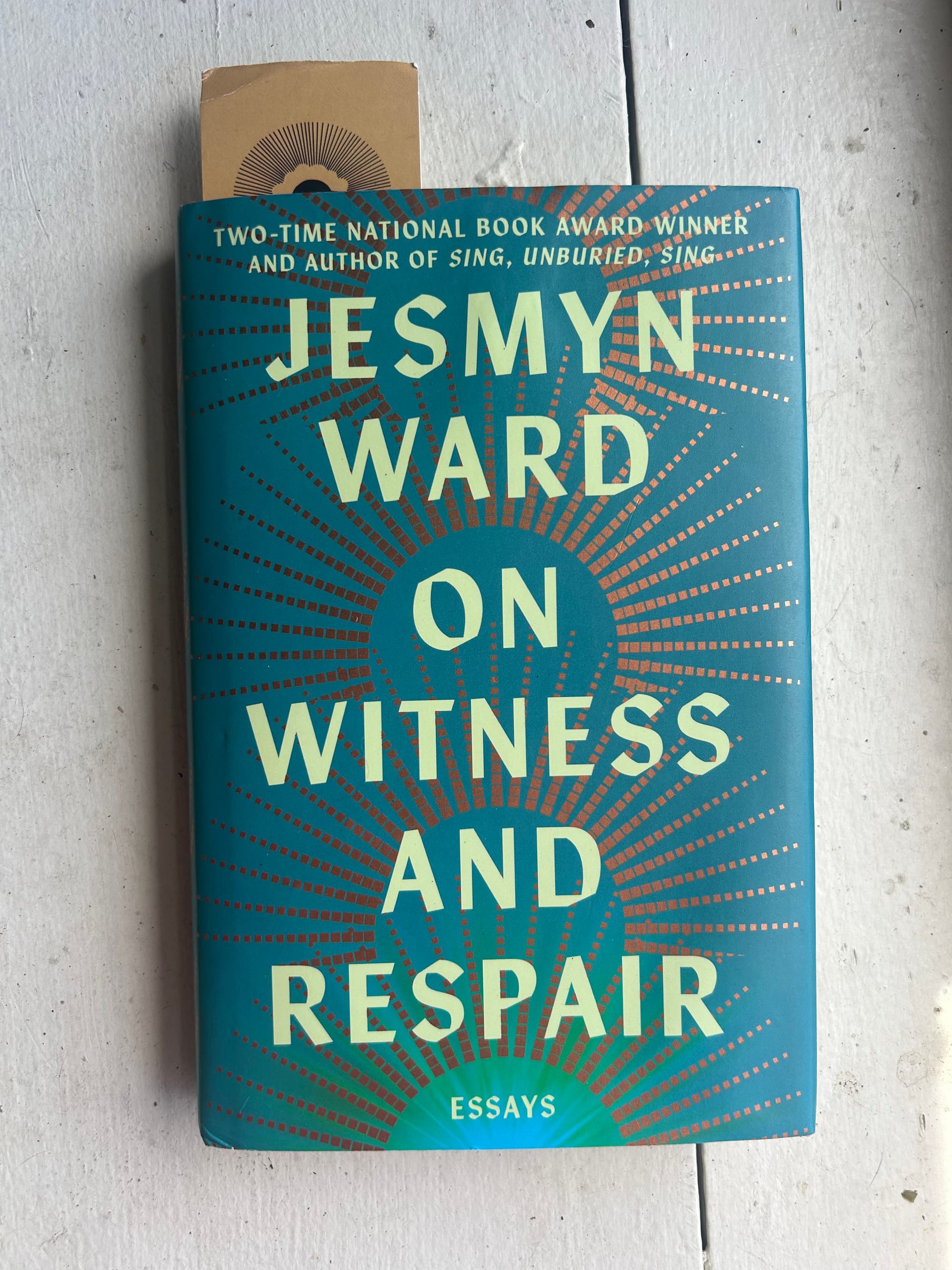
On Witness and Respair: Essays by Jesmyn Ward
I picked up this essay collection about a month ago, when I visited Stay Gold Books, a small, independently owned bookshop in Pittsburgh's Regent Square neighborhood. Out-of-towners are sometimes surprised, I think, that my adopted home, a city often highlighted for its sports teams and bridges, is a treasure trove of stores like this. (Cue all the "Pittsburgh punches above its weight!" cultural commentators.) It was the first title that faced me on display when I walked in the door.
I'd occasionally read Ward's essays online over the years, but, embarrassingly, have not read any of her fiction. After I finish this nonfiction collection, that's changing — I just picked up a copy of Ward's Salvage the Bones from my local library. That 2011 novel, which won the National Book Award, tells the story of a working class Black family in Mississippi and their experience during and after Hurricane Katrina.
Ward's 2008 Oxford American magazine essay, "We Do Not Swim in Our Cemeteries," is printed 60 pages into On Witness and Respair. Ward grew up poor and Black in DeLisle, Mississippi, a hometown about as small as my own, just outside of Biloxi. This essay, which details her own family's Katrina experience, is as devastating as it is gorgeous. I'm about halfway through the book, but so far, this piece is the standout.
I know well what it's like to exist in hurricane country — most people who grow up poor on the Gulf Coast have got the scars and stories to prove it. But for me, Katrina itself was something mostly seen on television screens and in the new faces that appeared in my small 7th grade classroom in Vermilion Parish — the few storm refugees who were able to move far enough west to stay with family members in rural Louisiana, right as Hurricane Rita came walloping our part of the coast a month later. I remember driving up to Lafayette to a family friend's home in September 2005, while my mother was very pregnant with my brother, and fitfully sleeping the night the storm landed, waking up suddenly to what sounded like a booming freight train. Luckily, my parents' home sat just high enough, on raised cement blocks and land just above a salt dome, to avoid flooding damage.
Rita and Katrina are, in many ways, inextricable from each other — the damage from the later, larger storm only compounded the brutality of the first. Our entire stretch of the Gulf Coast, from Texas to Mississippi, was devastated. I didn't meet people who were healed enough to speak about living through Katrina until college, and even then, the pain was always there. It was only then that I came to better understand the horrors wrought by that storm, and how racism was so tightly wound through experiences during its landfall and the responses to its aftermath. Ward's essay reminded me, too, that the story of Katrina is not only about New Orleans.
In her new essay collection, that piece perfectly segues into an exploration of Ward's conflicted love for William Faulkner, initially published in Literary Hub, followed by her 2015 essay for The New Yorker, "Cracking the Code," where she writes about her father and what identity means for Black Creoles in this part of the South. Ward's exploration of her own family's identity and experience gives me another clue to unlocking my sense of belonging in the world, a balm of expression I am sure to return to again.
While I also carry Louisiana Creole ancestry and descend from people who endured the brutality of life under Jim Crow, I inherited pale skin and blue eyes to go along with my dark, tightly wound curls, and was raised in a family with many members who expressed racism toward Black people and only ever acknowledged our European ancestry. I've never experienced violent discrimination for my skin color, and I benefited from my family's white supremacy-rooted abandonment of our true heritage.
Still, after leaving south Louisiana, I spent years wondering why I felt so out of place no matter where I went. Ward's words here have allowed me to flesh out my own answer:
But I imagine that my ancestors from Sierra Leone and Britain, from France and the Choctaw settlements on the Mississippi bayou, from Spain and Ghana — all those people whose genetic strands intertwined to produce mine — felt that same longing, even as they found themselves forming nascent communities here at the mouth of the Mississippi. Together, they would make new music, like blues and jazz and zydeco, and new dances, second lining through the streets. They would make a world that reflected back to them the richness of their heritage, and in doing so discover a new type of belonging.
"Mary Oliver: Saved by the Beauty of the World"
I couldn't tell you when I first engaged with Mary Oliver's poetry. I wasn't born during the first years of her fame, when she won the Pulitzer Prize in 1984, and I didn't accept my own bisexuality until well into adulthood, so for a long time I wasn't familiar with her legacy among women who love other women. I may have been embarrassingly old, literarily speaking, when I first deeply read her work, but I tend to believe that writers find us when we're ready for them.
Oliver's words came to me fully, and hit me right in the gut, when I was going through my own personal hell. I wasn't entirely shocked to learn that she, too, had been a survivor of childhood sexual abuse by a family member. I've come to believe that sort of pain can imbue a person — provided they are given the opportunity to claw their way out of it and develop themselves beyond their trauma — with an almost otherworldly sort of power in whatever medium they find themselves loving the most.
A new documentary, directed by Sasha Waters, explores Oliver's life and work with care, reverence, and some gut-busting commentary from longtime friend John Waters, among others who were lucky to know this genius, complex, reclusive poet. I most appreciated two things about this film: the acknowledgment throughout of how long she struggled for recognition of her art, and the exploration of the post-success pooh-poohing she received from high-brow literary types who shun any art with mass-market appeal.
This latter mindset has always bothered me as someone who didn't have much access to the avant-garde growing up — as if everyday people, who maybe aren't as well-read as someone with an MFA, aren't capable of recognizing the astonishing, simple beauty in a well-crafted poem that hits the psyche before they can recognize the skill behind it.
Whenever I read "Wild Geese," arguably Oliver's most famous poem, I am instantly transported to a winter's day in south Louisiana. Her words bring to mind the cacophony of honking I'd hear from the flocks overhead as they settled in the fields near my childhood home, which I longed and prayed and wept to one day escape for a quiet, loving place that was all my own, free of anger and mockery and abuse. Now, when I read it, I dream of a life where I have both: the birds and the sanctuary.
You do not have to be good.
You do not have to walk on your knees
for a hundred miles through the desert repenting.
You only have to let the soft animal of your body
love what it loves.
Tell me about despair, yours, and I will tell you mine.
Meanwhile the world goes on.
Meanwhile the sun and the clear pebbles of the rain
are moving across the landscapes,
over the prairies and the deep trees,
the mountains and the rivers.
Meanwhile the wild geese, high in the clean blue air,
are heading home again.
Whoever you are, no matter how lonely,
the world offers itself to your imagination,
calls to you like the wild geese, harsh and exciting —
over and over announcing your place
in the family of things.
PBS Passport
My greatest little luxury these days as a broke teetotaler is the second stage of my pre-bedtime ritual, after my bath and before my nighttime reading, when I make a cup of tea and watch something on TV. My sleep hygiene is sacred, so I never want to watch anything action-packed or too stimulating. That's where my PBS Passport enters the picture.
In case you didn't know, anyone living in the United States, its territories, or Canada can access on-demand PBS programming through a computer, smartphone, and most streaming devices. In most cases, all it takes is a donation of $5 to $60 each month to your local PBS affiliate.
The PBS Passport is how I viewed the Mary Oliver documentary, which is presented as part of its American Masters biography series. That, along with the American Experience history documentaries, tend to have my favorite PBS offerings, with episodes on figures as wide-ranging as Hannah Arendt, Little Richard, and Franklin Delano Roosevelt (that American president's two-part series is my most recent watch). Ken Burns fans like myself can watch many of his greatest films here, too, along with the regional programming your local affiliate offers (shoutout to Pittsburgh legend Rick Sebak). I'm admittedly beholden to PBS-wide history documentaries above all, but I hope to explore more of the location-specific offerings for Pittsburgh and Louisiana.
PBS doesn't prohibit users from creating accounts with different email addresses to access other locations' programming, so I plan to do that when I can to view the Louisiana Public Broadcasting catalog. Much of the LPB programming I grew up with is available for streaming, like Miss Lucy's Classic Cajun Culture & Cooking, which stars a native of my hometown. Unfortunately, the series En Français, which featured contributions from my late cousin, language and cultural activist Richard Guidry, is not featured on PBS Passport's Louisiana offerings. (It is, however, available for viewing through the American Archive of Public Broadcasting, for anyone who might be interested.)
PBS was a genuine lifeline for me as a poor, rural kid, so I'll probably write something longer one day about what public television means to me and why the powerful would rather it didn't exist — particularly when it offers programming for underserved children who may not have access to high-quality educational opportunities. I think often of how, around and after his death, so-called Christian and conservative talking heads started disparaging Fred Rogers and the message he preached — never mind that the man was a literal minister! — and how these days, Republicans are trying to roll back protections against child labor exploitation. We shouldn't forget that all of these things are tied together, inextricably, and that resistance can come from unlikely sources.
Lucky Broke Girl by Brittany Ann Tranbaugh
I've been blessed in Pittsburgh to find friendship and a genuine sense of community with other like-minded people from similar backgrounds to mine. I spent a lot of time in college hiding my deep love for country music from peers who would judge me for it, but moving here introduced me to badass union organizers, queer people who still love parts of rural life, and musicians with eclectic taste who understand the power of a good country song. All of us understand that a working-class upbringing prepares you for the realities of life far better than most ivory-tower-reared, Ivy League graduate lives do.
My friend Gillian, who helps to organize a local recurring queer country night called Desert Hearts Pittsburgh, first introduced me to Brittany Ann Tranbaugh's music at one of those events a couple of years back. As someone who grew up loving The Chicks, Faith Hill, Jo Dee Messina, and Shania Twain, I was an immediate fan of Tranbaugh's lyricism and pop-tinged melodies.
A few weeks ago, Gillian let me know that the Philadelphia singer's debut full-length album, Lucky Broke Girl, was out on streaming, and I instantly fell in love with the whole album. The title track is a particular standout.
I'm at a point in life where I have no solid idea how I will make a steady living through the journalism work I've always done. I've worked hard to help organize a media cooperative in Pittsburgh in the wake of losing my longtime newspaper job in a union-busting purge, but we're still fundraising and gathering investors, so that work hasn't provided an income at all. Freelance budgets are tight everywhere, it seems, and my temporary medical leave from reporting means I'm cutting corners wherever I can. It's difficult, and I spend a lot of time crying about my lack of money, but I've found so much comfort and joy in realizing how much love surrounds me, and how many people in my life care enough to help me get through this period of struggle and uncertainty.
Needless to say, I cried when I heard Tranbaugh sing these words:
But when dollar signs are all I see
I miss the things I get for free
Spare rooms, good food, sweet company
All the ones who open doors for me
I see it now, I see it now
You might say what a shame she's poor
She works so hard and what's it all for
But I found all the treasure in the world
I ain't rich, I'm just a lucky broke girl
Other standouts for me are "Wissahickon," a sweet song about going fishing with a lover who's a "redneck with a PhD," and "For Caroline," which reminds me of the way I feel any time I interact with a child and think of the children I hope to have in the future.
Tranbaugh writes the kind of music I wish I could, and that might have existed for me as a teenager if our world was fairer and less violent toward those of us who have spent any time living and loving outside the mainstream. It's an album that, above all, gives me hope. We could all use more that these days.
My friends Marlene and Faten
I want to share the stories of two women I have been lucky to know and call friends: Marlene, an immigrant from Haiti, and Faten, a mother of five from Gaza.
Both of these women are seeking monetary help while they live in stasis, unemployment, and fear as immigrants in two different countries across the world from each other. I want to humbly ask those reading this to consider giving what you can to help Marlene and Faten. Marlene's fundraiser can be found here, and Faten's can be found here.
Marlene is one of the funniest people I've ever met, and one of the most badass, too. I got to know her through friends and on shared internet spaces, and I've watched her work extraordinarily hard through years of disability, government inaction and, now, outright government oppression, to seek the education she has always dreamed of and to build a stable life for herself. She had no choice to come to the United States, yet because of abject failure on the part of her adoptive parents when she was a child, she was not granted full citizenship when she should have been.
Marlene has done everything she can in attempts to gain citizenship as an adult, but contrary to popular belief, this is not an easy thing to do in the United States. You can read and hear more about Marlene's story in her recent interview with The Philadelphia Tribune.
I have never met Faten in person, but I immediately felt connected to her when she messaged me on social media in the last few months to ask for help for her family, now living in Cairo, after they lost everything in 2023. That year, an Israeli bomb injured Faten's daughter, her youngest child, when she was just 6 years old.
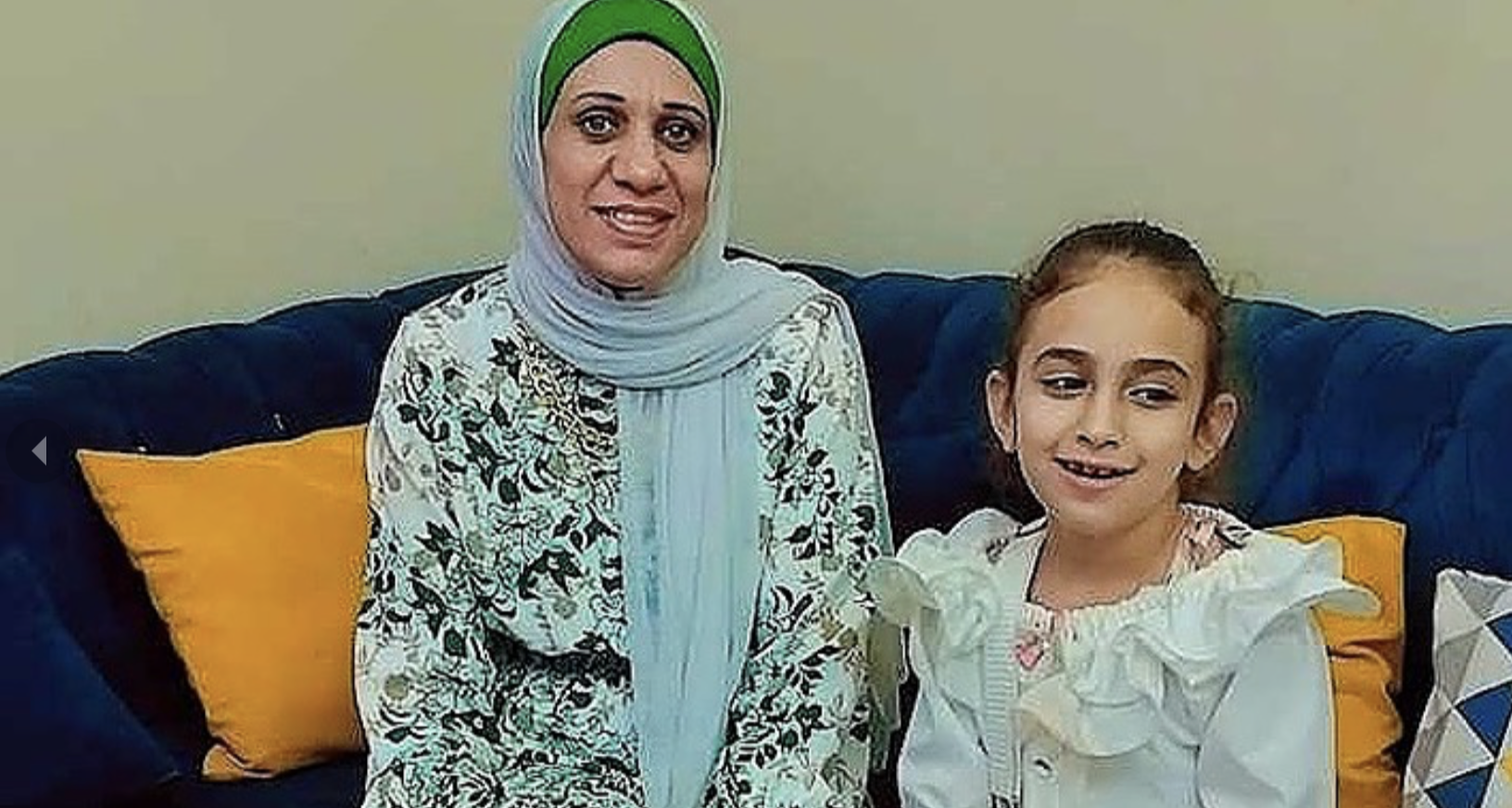
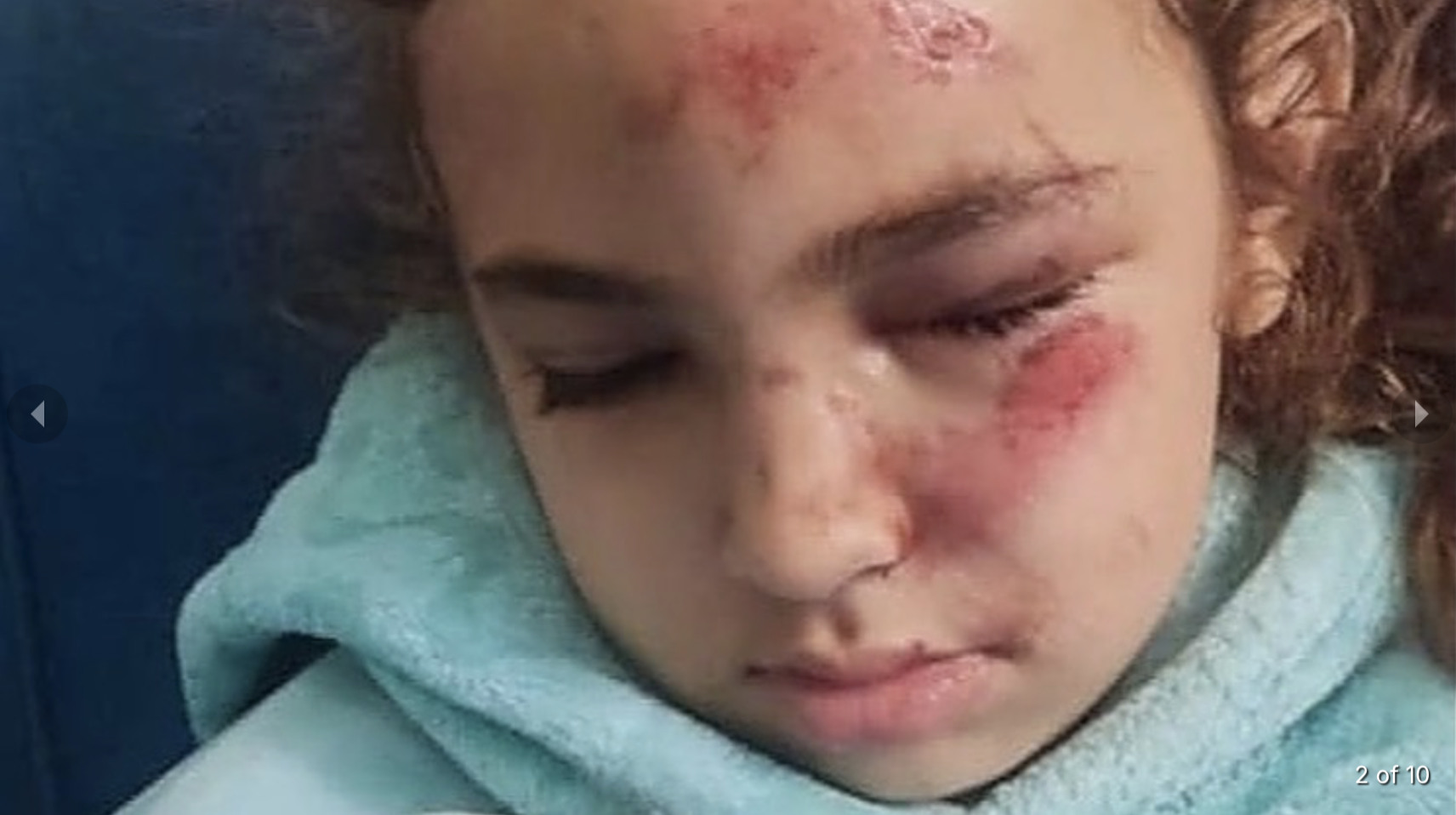
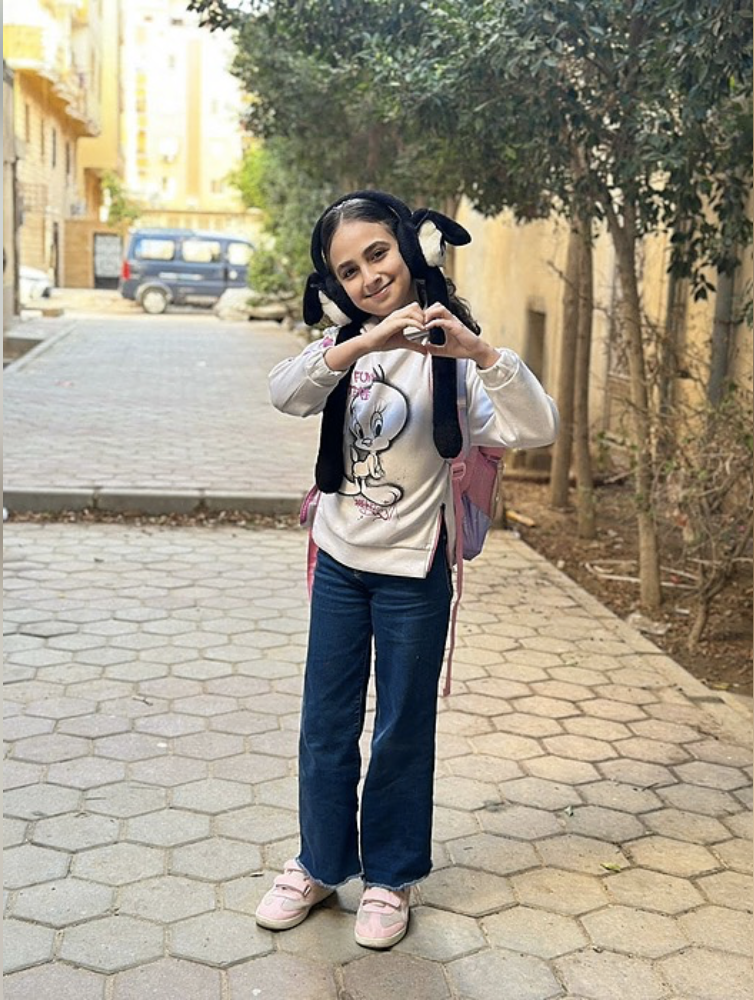
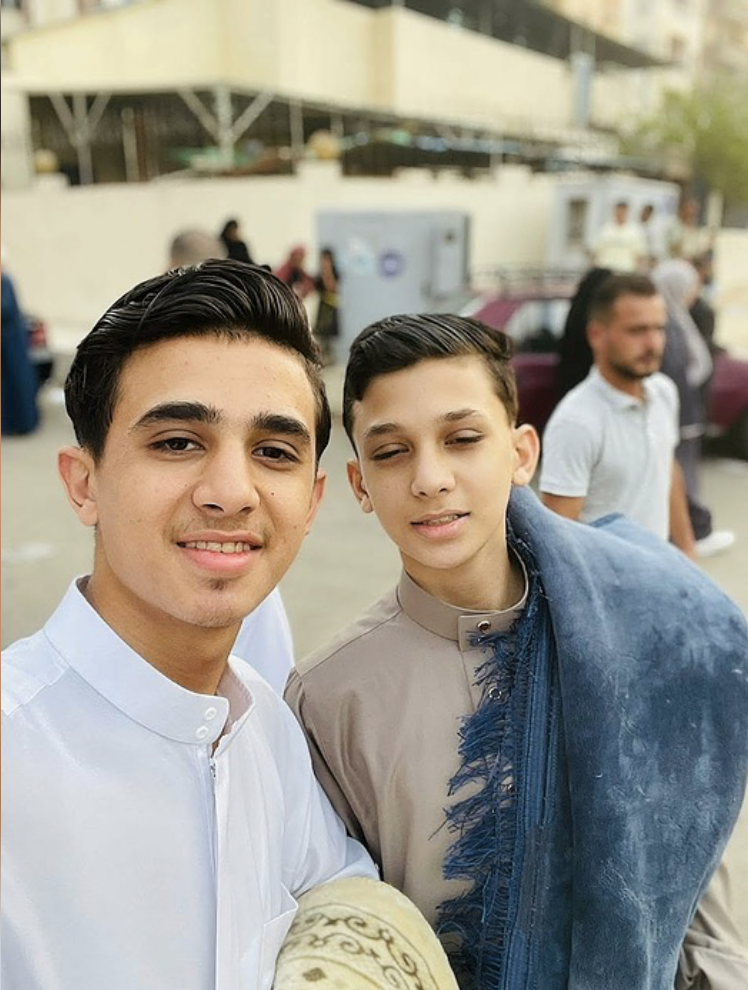
Members of the Hamdan family, Palestinians who lost everything and fled to Cairo in 2023
Before this, and before October 7, 2023, this Palestinian family had a beautiful life, and Faten's children adored school. (Did you know that Palestinians have one of the highest literacy rates in the world, nearly 20% higher than Americans?) Now, though, it's been three years since they have been in school consistently. While the family was lucky to escape Gaza, they now owe money to crooked lenders who threaten them with violence, and as refugees, they cannot get work permits in Egypt and must rely on charity, sporadic income when they can find occasional work, or beg on the streets.
I firmly believe we cannot find genuine peace in this chaotic existence without acts of care within our relationships and toward the world around us. Smart phones and social media make it increasingly easy to sacrifice our precious time and attention with addictive scrolling that doesn't benefit us and often makes us covet or believe things that won't ultimately bring us comfort. I want to scream any time I see a post online tinged with the "you don't owe anyone anything" mindset that's made the rounds in recent years.
Self-care and preservation are obviously important — anyone who's been a passenger on a commercial airline flight knows there's a reason they tell you to put your own mask on first before helping your neighbor with theirs — but it's the sort of flattened, repackaged, right-libertarian rhetoric that drives me bananas. Since when do we owe each other nothing? Humans would be long extinct if this ethos had been allowed to flourish, and any anthropologist will tell you this is just dead wrong, blatantly incorrect.
One of the biggest downsides of life in the United States is how our relative comfort, which only exists at the expense of real human lives in other regions of the world, makes us reticent to undergo any sort of real sacrifice to help another person who is less resourced than we are, or to fight for the greater good in our communities.
Many of us grew up with family stories of immigrant ancestors sacrificing everything to build better lives for their children in the U.S., yet we so quickly forget that this easily could be our reality one day, too. Environmental disasters, rising global temperatures, and the widespread encroachment of fascist rhetoric do not discriminate. Each and every one of us could find ourselves fleeing a destroyed home after a hurricane, oppressed and exploited for our land, or targeted for our identities or beliefs.
There is a lot more I could say about the power of personal sacrifice for others and for greater things outside of ourselves, but I will save it for another day.
Instead, I'll end this with a quote from one of my favorite American spiritual writers and thinkers, Dorothy Day:
But when we are able to bear some small share of the sufferings of the world, whether in pain of mind, body or soul, let us thank God for that too. Maybe we are helping some prisoner, some black or Puerto Rican youth in the Tombs, some soldier in Vietnam. The old I.W.W. slogan, “An injury to one is an injury to all,” is another way of saying what St. Paul said almost two thousand years ago. “We are all members of one another, and when the health of one member suffers, the health of the whole body is lowered.” And the converse is true. We can indeed hold each other up in prayer. Excuse this preaching. I am preaching to myself too.